 Deportivo La Coruna
The 1988-89 season was a transformative year for Deportivo La Coruña, a club that had struggled in the lower divisions for much of its recent history. After several seasons of ups and downs in the Segunda División, the team, under the management of coach Arsenio Iglesias, prepared to fight for a place in the elite of Spanish football. Iglesias, a former player for the club, knew he had a talented group at his disposal and was determined to bring Deportivo back to the First Division.
The team boasted key players like striker Pedro González, known as 'Pachi', who would be vital in the attacking front. With a mix of youth and experience, Deportivo embarked on a campaign that kept fans on the edge of their seats. The team displayed solidity in defense and decisiveness in attack, allowing them to string together a series of crucial victories throughout the season.
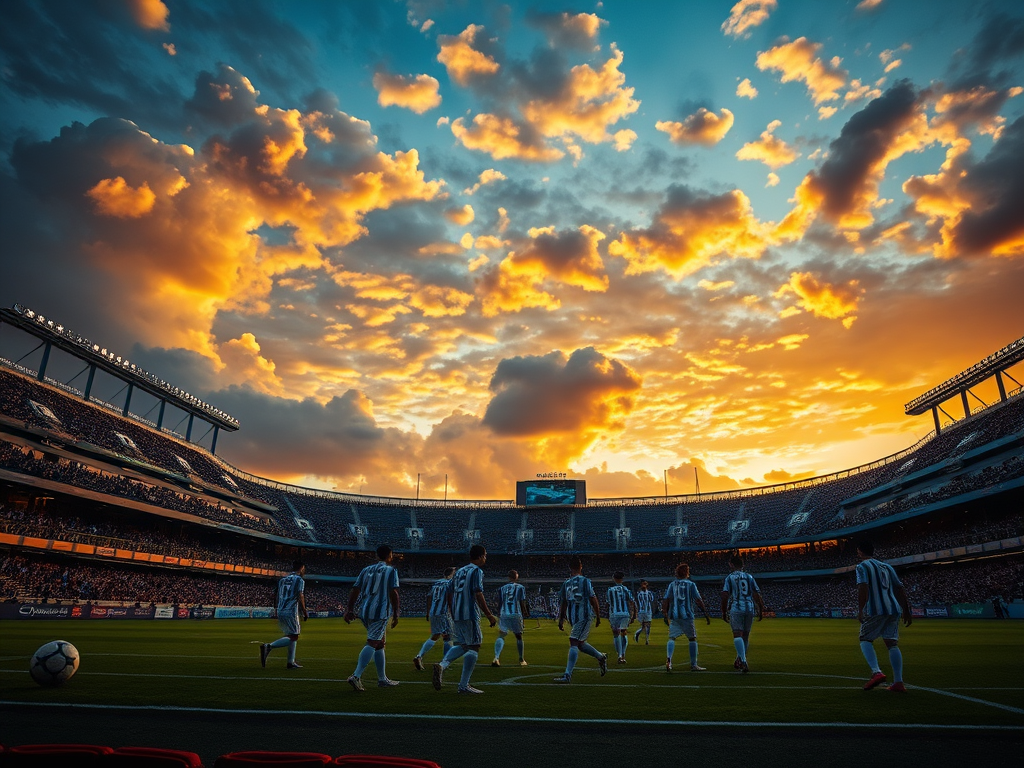
One of the most memorable matches of that season was the clash against Real Oviedo, where Deportivo showcased great fighting spirit and determination. This victory was not only vital for maintaining team morale but also solidified their position in the standings. As the season progressed, every match became more intense, and the pressure mounted on players and coaching staff alike.
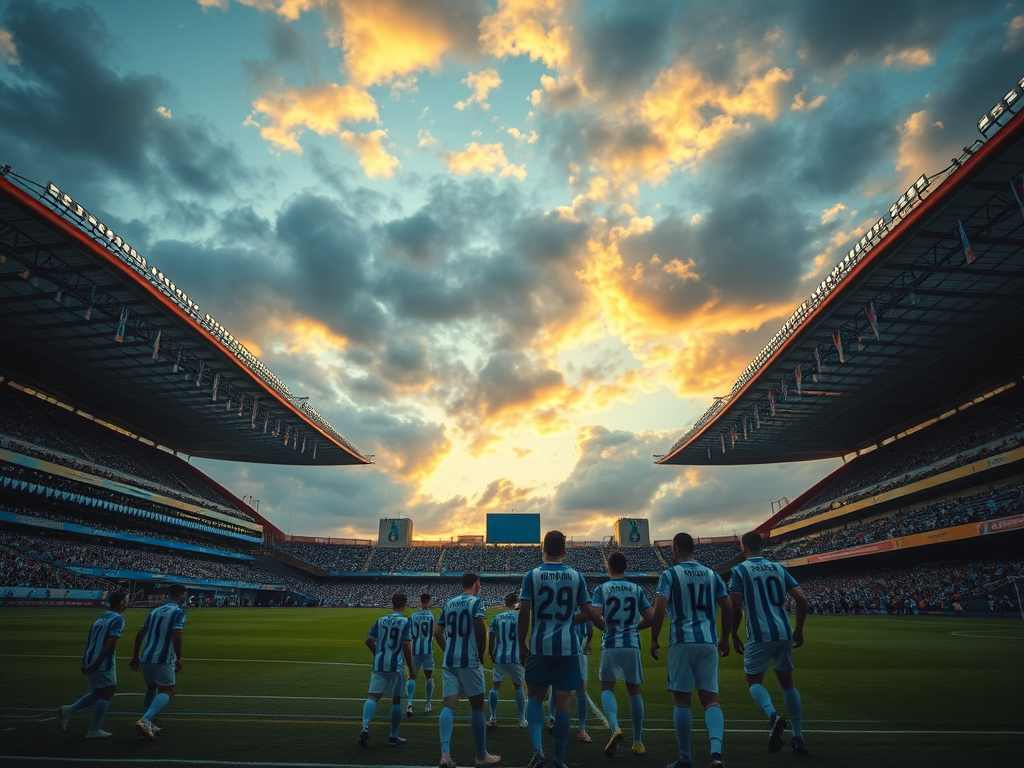
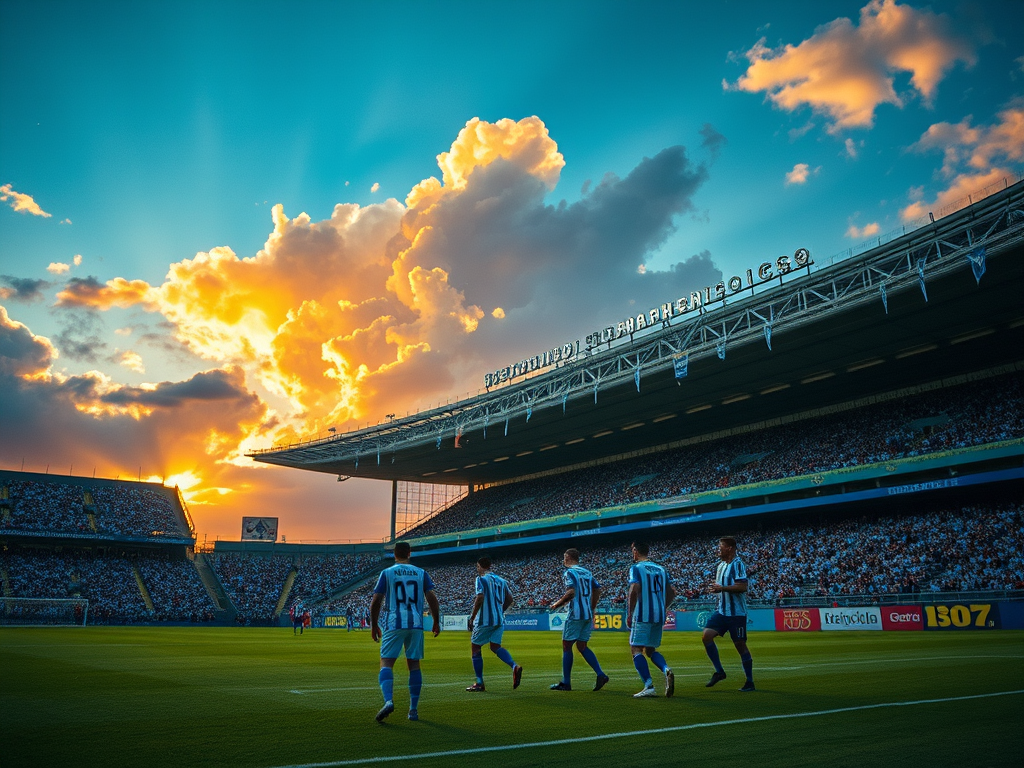
Finally, on May 28, 1989, Deportivo La Coruña sealed their promotion to the First Division with a victory on the final matchday. The Estadio de Riazor was filled with fans who could not contain their joy at seeing their team return to the category it rightfully belonged to in history. This promotion represented not just a sporting achievement but also revitalized a fanbase that had been waiting for this moment for years.
The impact of this promotion was profound. It not only raised expectations around the club but also provided a solid foundation to build a competitive team in the First Division. The 1989-90 season became the starting point for what would be a golden era for Deportivo, which would later go on to win national and international titles. The story of that promotion lives on in the memory of fans and is remembered as a symbol of the resilience and fighting spirit of the club.
Today, looking back, the 1989 promotion serves as a reminder of the power of collective effort and the passion surrounding Deportivo La Coruña. As the team continues its journey in the Segunda División, the echoes of that rebirth resonate, inspiring new generations of players and fans to keep dreaming big.