 Deportivo La Coruna
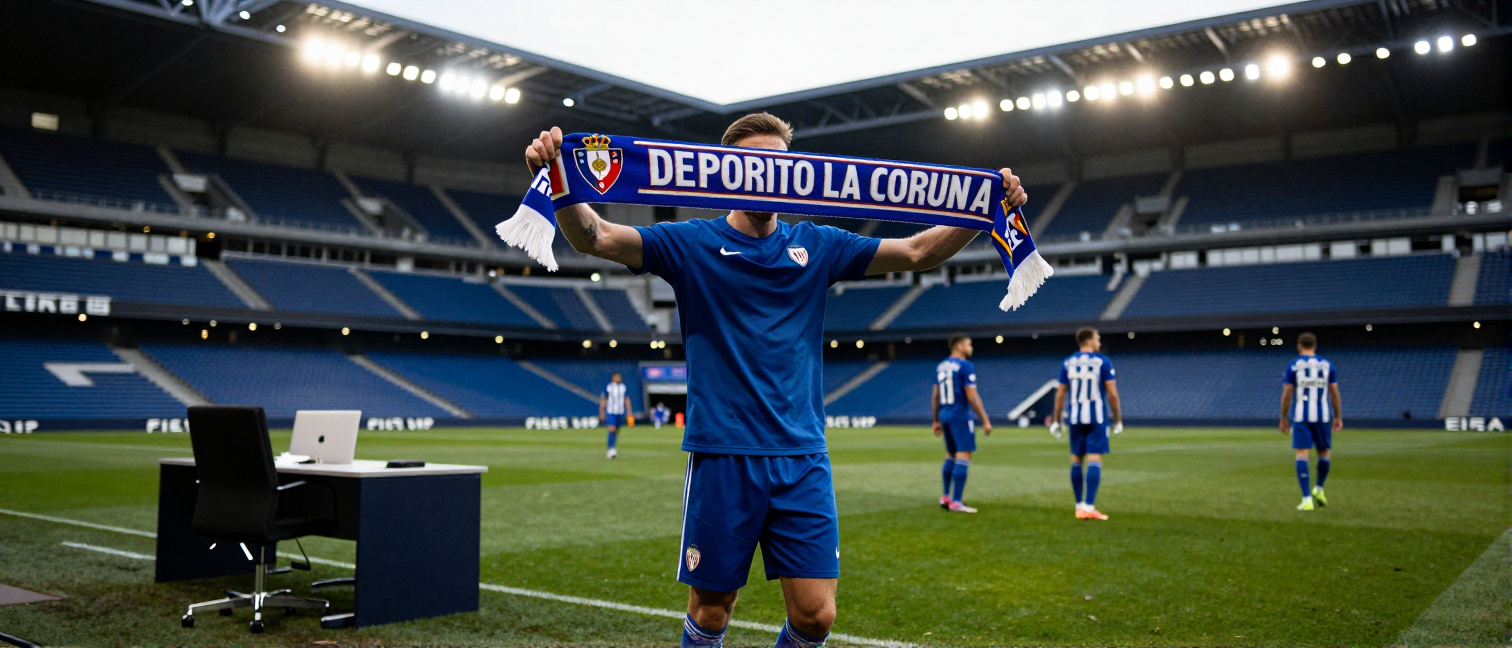
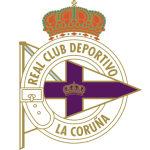
Deportivo La Coruna has reinstated the Galician 'A' on its official badge, ending a 43‑year anomaly and coinciding with a campaign in which the side sits 2nd in Segunda División with 77 points (22 W‑11 D‑9 L) and a recent run of LWWWW. The change comes as the club remains 5 points behind leaders Racing Santander and pushes for promotion.
What does the recovery of the 'A' mean?
The letter "A" is the Galician form of the city’s name and, after the 1983 Linguistic Normalisation Law, should appear in all official documents. However, a 1941 Franco‑era decree forced the use of the Castilian "A Coruña", leaving the club without the "A" on its crest for over four decades. This year, on the club’s 120th anniversary, the board decided to revert to the Galician version, aligning the team’s identity with its history and current regulations.
How does this gesture fit the club’s history?
Founded in 1906 as Corunna Foot‑Ball Club by José María Abalo, the side received the "Real" title in 1909 and adopted the Galician flag colours shortly after. Since then, Deportivo’s identity has been tied to Galician culture: its first president, Luis Cornide, was a member of the Royal Galician Academy and several players sang in local choirs. The removal of the "A" during the dictatorship was a forced exception, not a club decision.
Why is it relevant now?
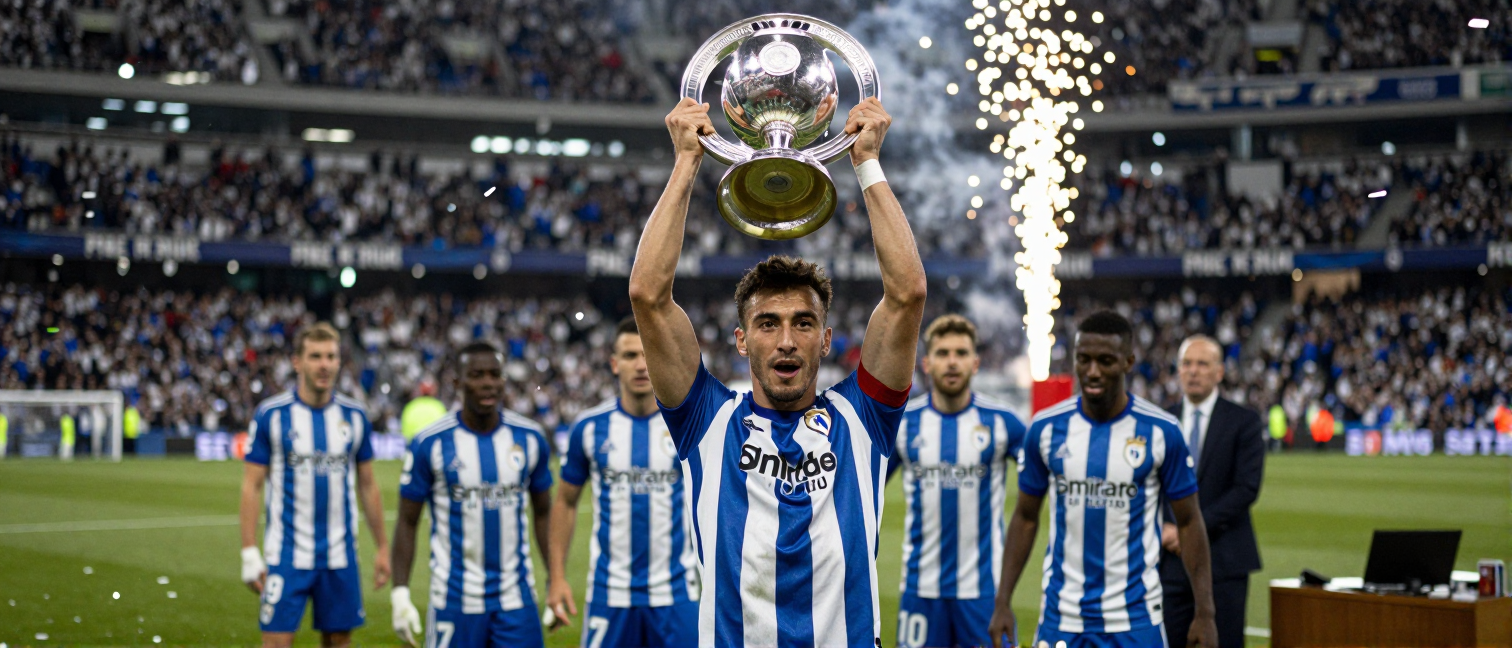
The return of the "A" arrives at a crucial moment: Deportivo boasts an attacking season with 65 goals scored and 44 conceded, giving a +21 goal difference. Despite a 1‑2 loss to Las Palmas on 31 May 2026, the side has won three of its last five matches, regaining confidence for the promotion chase. The gesture strengthens the bond with fans who have backed the club through its drop to Segunda and now hope for a return to the top flight.
What’s next for Deportivo?
With the 'A' back on the badge, the board aims to cement the Galician identity while manager Michele Milanese fine‑tunes the tactics that have produced 65 goals. The next test will be against Racing Santander, where the club will try to close the 5‑point gap and secure promotion. Supporters, long defenders of Galician folklore and language, will see this symbol as a sign that Deportivo’s project remains solid and deeply rooted.
The return of the "A" is more than a graphic detail; it is a cultural claim that accompanies a team that, 42 years after its founding, continues fighting to re‑enter Spain’s football elite.